Rental home on the walls of Vejer de la Frontera: History
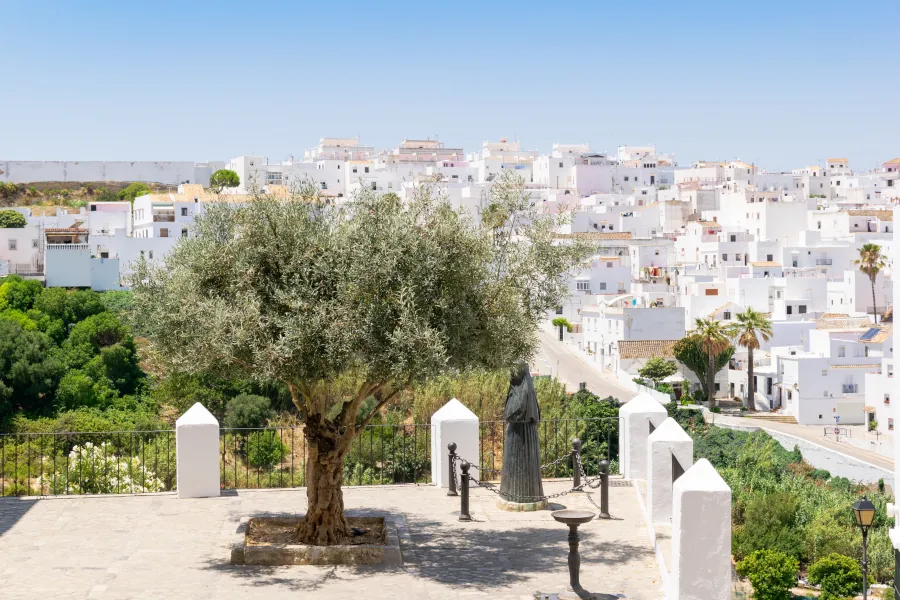
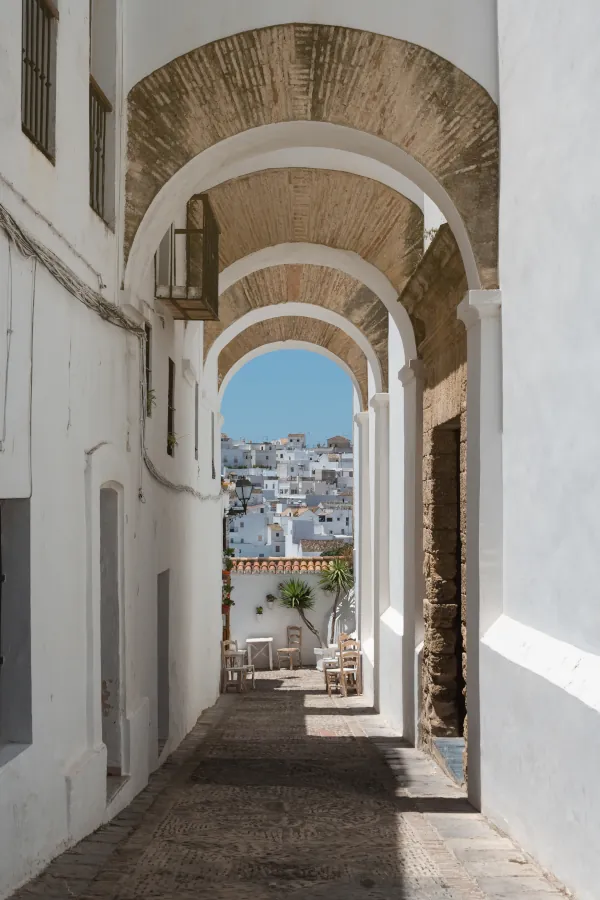
Looking for a rental home on the walls of Vejer de la Frontera that’s truly “within the old town walls”? Here, the wall isn’t decorative—it lines the terrace and shapes the home’s layout. Vejer's historic center is entirely walkable. And modern comfort is preserved within a remarkable heritage setting.
At the origins: Vejer, a fortified “frontier” town
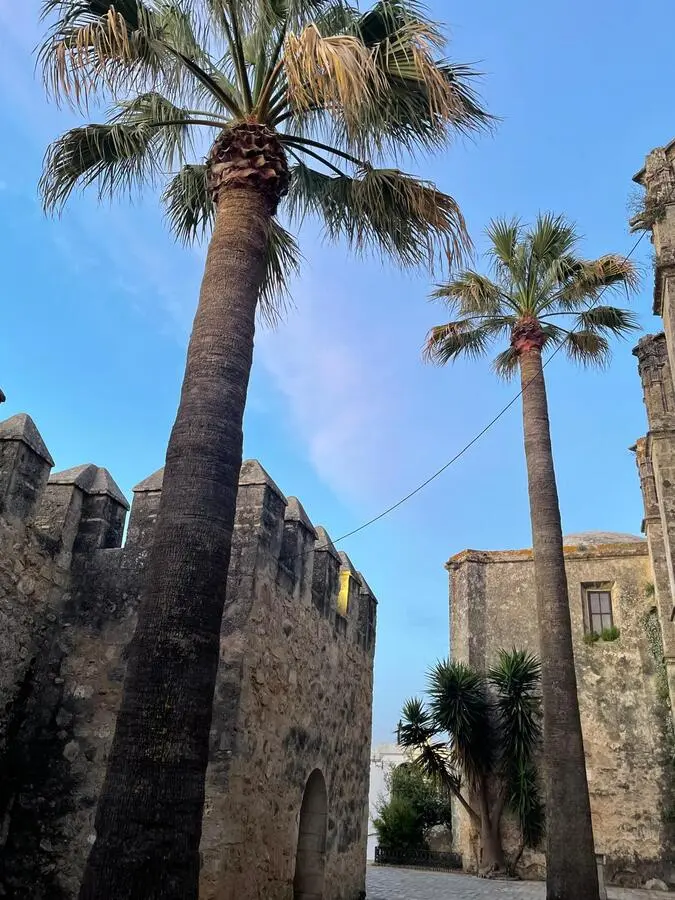
Vejer de la Frontera grew on a hilltop with a clear goal: protection and oversight of the settlement. That elevated position supported the development of a fortified enclosure whose line follows the terrain. The landscape itself strengthens the defense—ravines, steep drops, and the Barbate valley create natural barriers that work alongside built fortifications. Together, these elements form a coherent defensive system, structured by stretches of wall, lookout points, and gated access routes.
Timeline of the fortified enclosure: key reference points
The enclosure’s history unfolds over a long span of time. Its construction may have taken shape between the 9th and 12th centuries, followed by additions and changes through the 15th century. That gradual evolution helps explain why the surviving elements are so varied today.
Very early traces, but largely a medieval enclosure
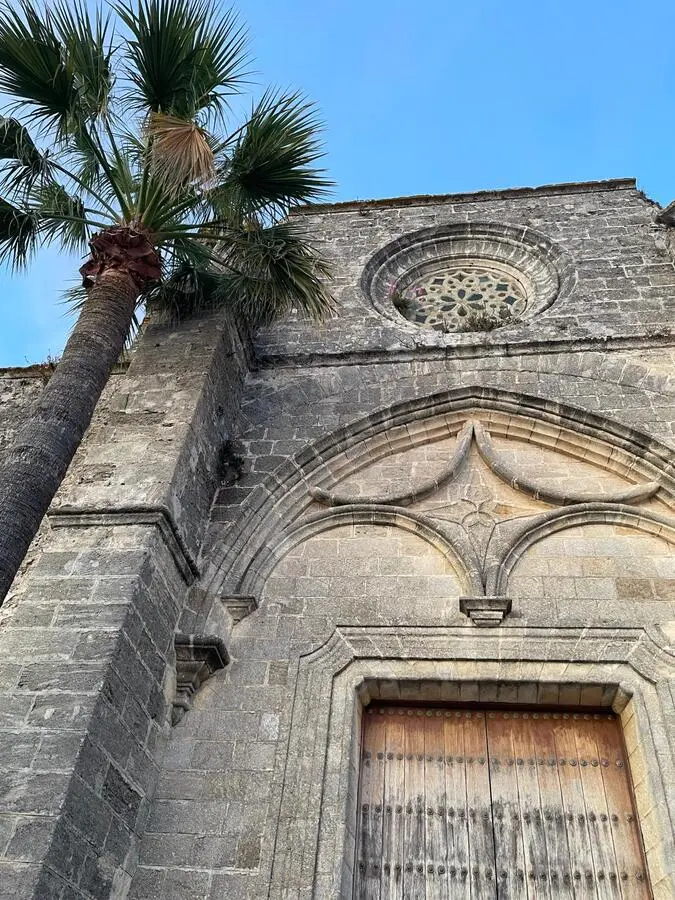
Archaeological test pits carried out at several points along the walls and at the Church of La Concepción (1987 and 1990 campaigns) suggest Vejer may have had some form of fortification as early as the Late Bronze Age (8th century BC).
Even so, the enclosure we recognize today is primarily medieval, shaped during periods of major upheaval—Germanic incursions in the 5th century, the Arab-Berber arrival in the 8th century, and Norman raids in the 9th–10th centuries.
Almohad period: a layout close to today’s
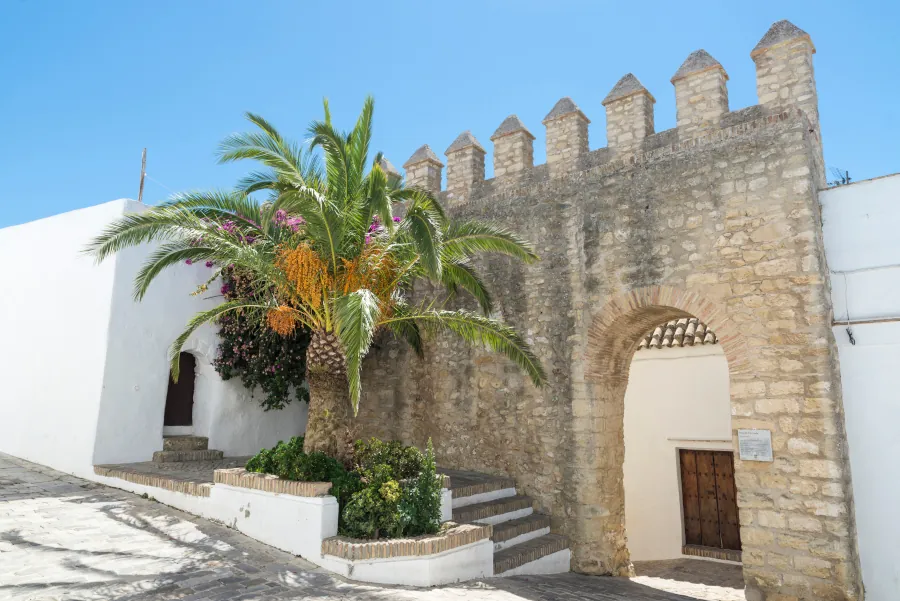
In the 12th century, during the Almohad period, Vejer’s castle and defensive walls are believed to have already been close to their current layout—particularly in terms of the overall expansion of the perimeter. This phase is a key reference point for understanding the fortified site.
Castilian period: restoration and reinforcement
In broad terms, the enclosure visible today may align with what was in place during the Castilian conquest and repopulation (1250–1300). In that context, following Marinid incursions, Sancho IV ordered the restoration of Vejer’s fortress.
The exact interventions carried out in later medieval centuries are not well documented. Still, Vejer’s long-standing role as a “frontier” town likely led to multiple rounds of works over time.
Major works in the late 15th century
As the War of Granada approached, significant works are attributed to local seigneurial authority, notably the Duke of Medina Sidonia, Enrique de Guzmán. This period includes restoration campaigns affecting the enclosure, its towers, and its gates. It also covers, between 1475 and 1490, the construction of the Torre de la Corredera (on the northern side) and the building of the Segur bastion.
Layout and historic gates
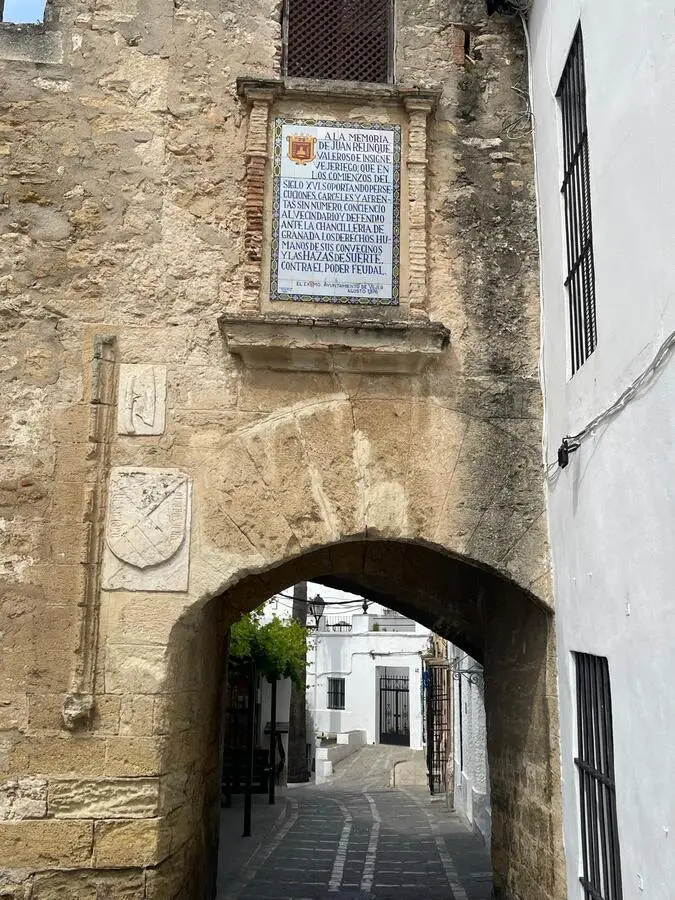
The enclosure forms an irregular six-sided polygon, aligned with the main directions (north, west, south, and east). The earliest circuit is thought to have had four gates, each with a straight entry. To read the wall properly, you follow those access points and the turns of the perimeter.
- North side: from the Sancho IV sector to the Torre de la Corredera, then toward the area connected to the Segur bastion.
- West side: from the Segur bastion, along the barbican area, to Puerta Cerrada.
- South side: from Puerta Cerrada toward Callejón del Fuego and a nearby tower between Encarnación and San Juan.
- East side: to Puerta de la Villa, then to the Torre del Mayorazgo, and back toward the Sancho IV bastion.
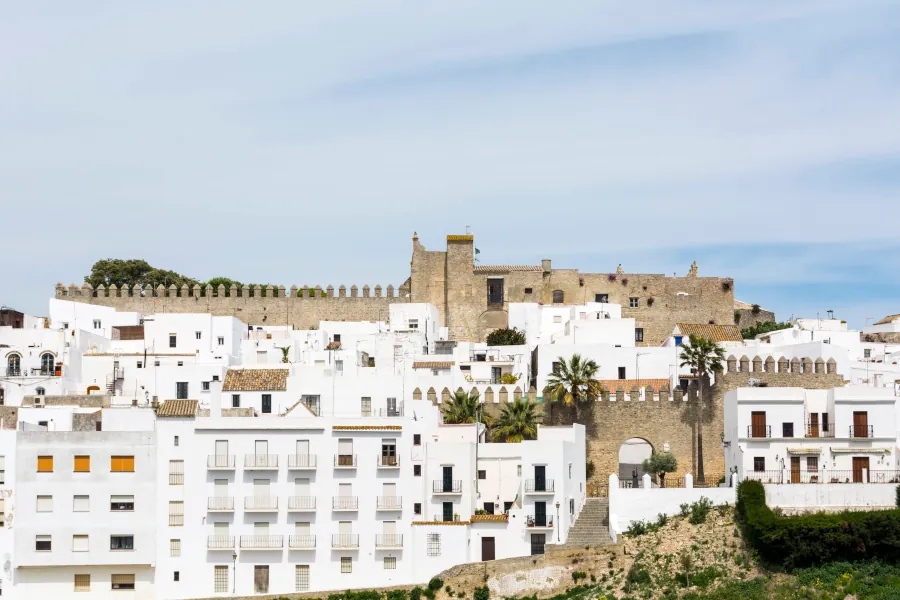
Across the old town, the enclosure runs for roughly two kilometers and covers about four hectares.
A home born from stone: Casa Privada alongside the wall
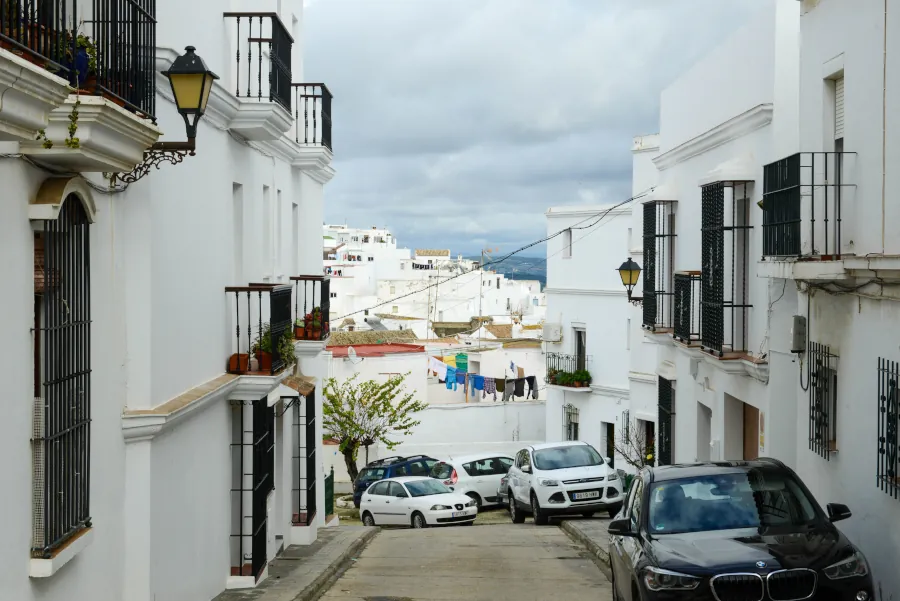
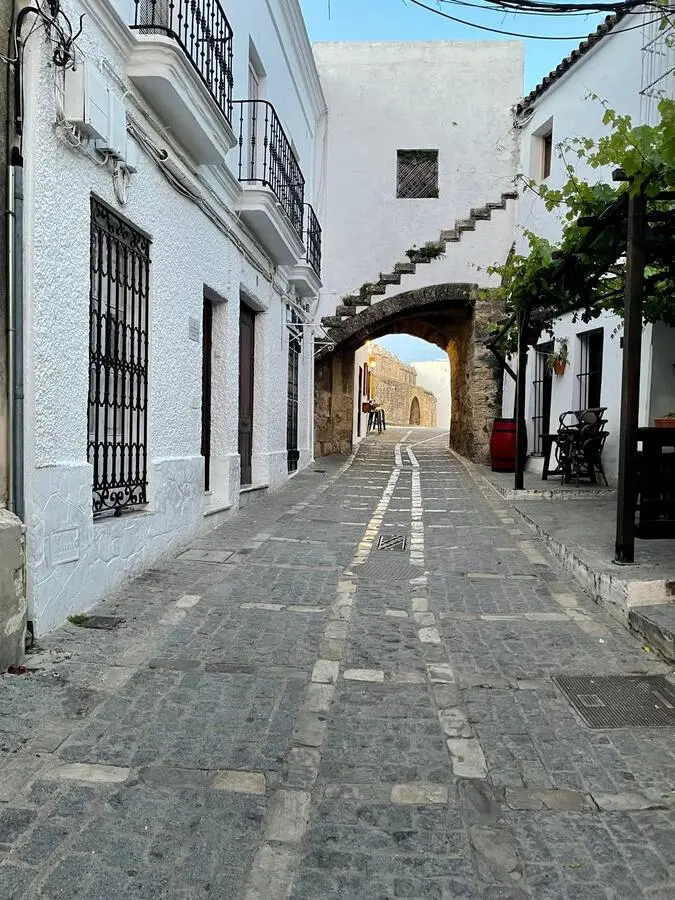
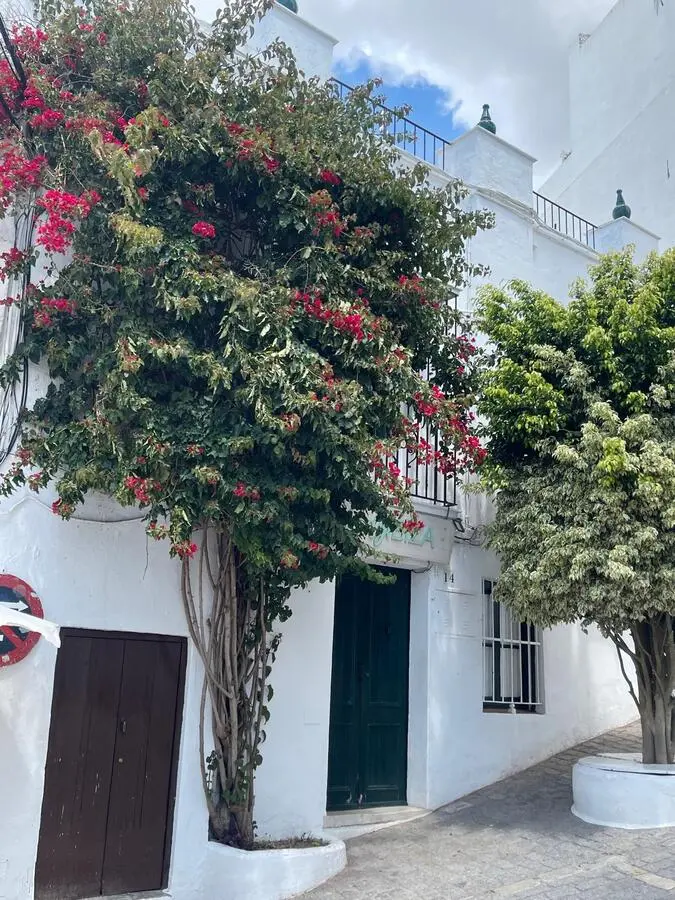
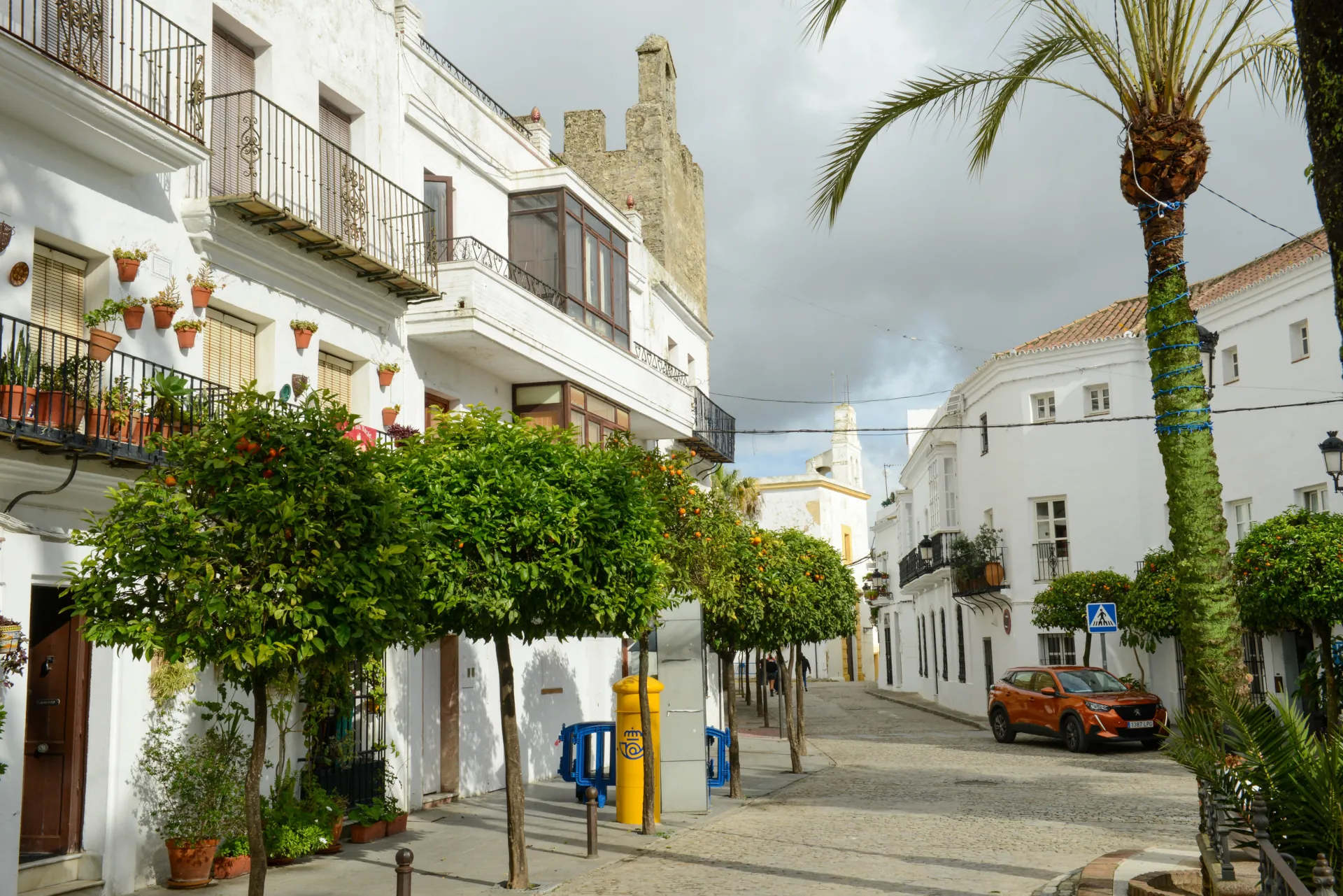
In fortified historic centers, older homes were often built right up against the ramparts—sometimes directly connected to them. In Vejer, that urban reality is visible in a tightly woven fabric of houses adapted to slopes and linked by passages, landings, and patios.
Casa Privada follows that heritage logic: its terrace runs alongside a stretch of wall, which becomes a defining architectural feature—and a key part of the home’s identity.
From multiple “fincas” to one architectural whole
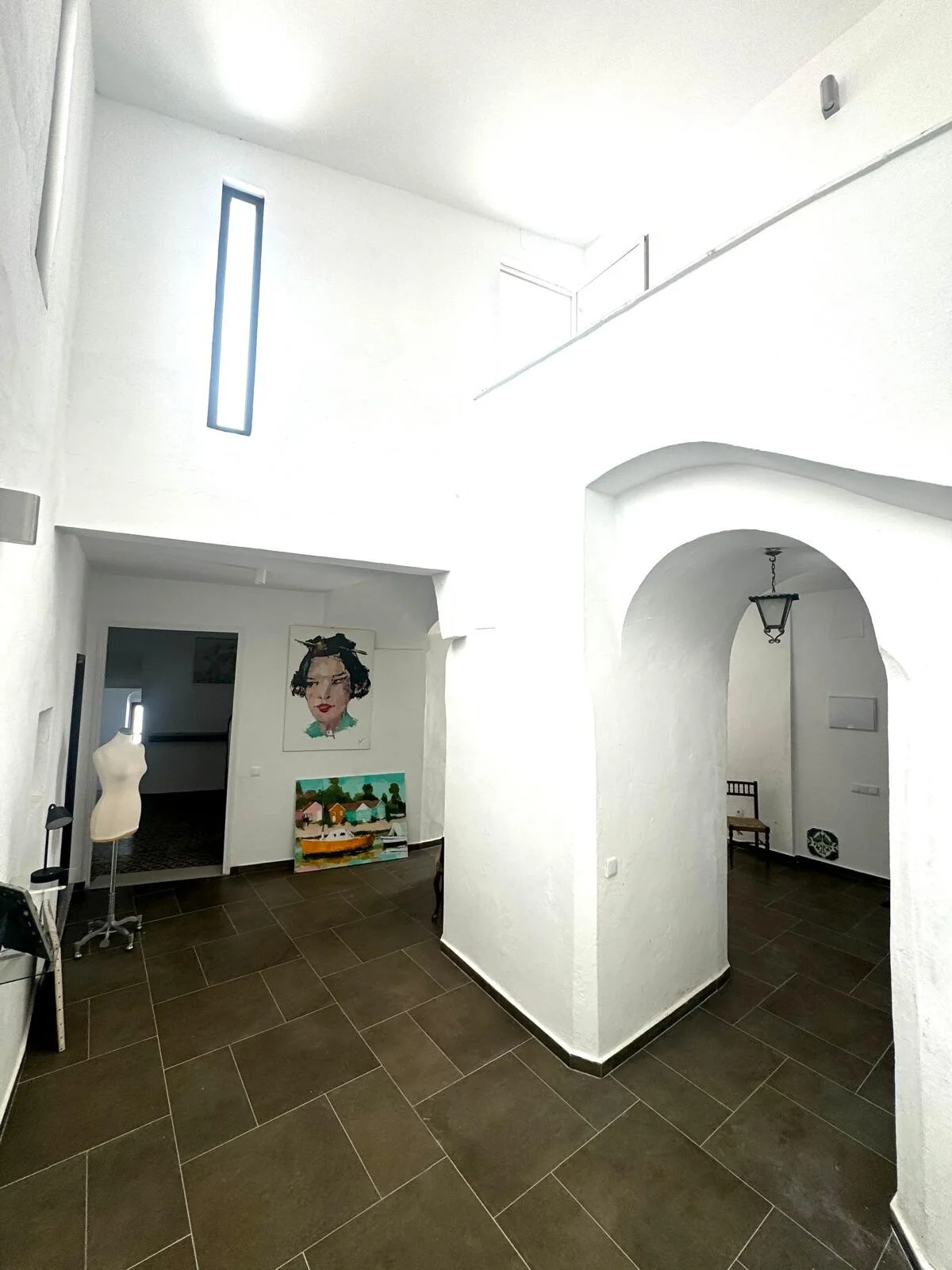
The property took shape through the gradual joining of several older dwellings (“fincas”) assembled over time. That layered growth explains the home’s richness: a sequence of spaces, levels that step with the slope, and a rhythm between open areas and more protected rooms. This kind of evolution is typical of historic houses, whose present-day form reflects successive adaptations rather than a single original plan.
Casa Privada: a historic home through the centuries
A historic home changes with time. It’s restored and updated, while keeping its character intact. At Casa Privada, the goal is to preserve what gives the place its soul—its walls, floors, and volumes—while still delivering the comfort expected today. The result is a house that feels authentic, structurally sound, and genuinely enjoyable to live in, with full respect for its history.